
How to Effectively Check the Interpol Wanted List

Understanding global safety and crime prevention often requires insight into the check Interpol wanted list that encompasses individuals wanted by law enforcement agencies worldwide. Interpol, or the International Criminal Police Organization, facilitates international police cooperation. One of the roles it plays is maintaining a database of individuals wanted for crimes across its member countries. This article delves into the intricacies of the Interpol wanted list, how it functions, and the methods to check it effectively.
What is Interpol?
Established in 1923, Interpol is the world’s largest international police organization, with 195 member countries. Its primary mission is to assist various law enforcement agencies in combating transnational crime, terroris
m, and other criminal activities. Interpol issues various notices, including Red Notices, which are requests to locate and provisionally arrest individuals pending extradition, surrender, or similar legal actions.
Understanding the Interpol Wanted List
The Interpol wanted list is a compilation of individuals wanted for alleged criminal activities across different jurisdictions. The list serves several essential purposes:
- Facilitation of International Law Enforcement: By sharing information about wanted individuals, Interpol enhances cooperation between police forces worldwide.
- Public Awareness: Through publicly available information, citizens can be more vigilant and assist law enforcement agencies.
- Prevention of Criminal Activities: The existence of a wanted list can deter individuals from engaging in criminal acts.
Types of Notices Issued by Interpol
Interpol issues several types of notices to communicate information about crimes and criminals. The most notable is the Red Notice, which is not an international arrest warrant but rather a request to law enforcement worldwide to help locate and provisionally arrest the wanted person. Other notices include:
- Blue Notice: To collect additional information about a person’s identity or activities.
- Green Notice: To provide warnings and criminal intelligence about persons who have committed criminal offenses.
- Yellow Notice: To help locate missing persons, often minors, or to identify individuals who are unable to identify themselves.
- Black Notice: To seek information on unidentified bodies.
- Orange Notice: To warn about imminent threats posed by a person or event.
How to Check the Interpol Wanted List
Accessing the Interpol wanted list is relatively straightforward and can be accomplished through several means:
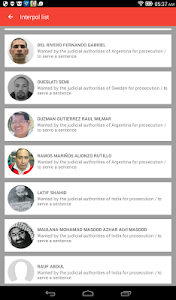
- Visit the Official Interpol Website: Interpol’s official website offers a dedicated section for the wanted persons list. Users can search for individuals by name, nationality, or crime categories.
- Use Third-Party Resources: Various law enforcement and crime-related websites aggregate information from the Interpol wanted list, providing user-friendly interfaces to search and interact with the data.
- Media and News Reports: Following credible news sources can alert the public to newly minted wanted individuals and ongoing investigations by Interpol.
Importance of Reporting Sightings
If you suspect you have encountered an individual on the Interpol wanted list, it is essential to report it to local law enforcement authorities or directly to Interpol. This can help facilitate the apprehension of individuals charged with serious crimes and contribute to global safety. Authorities rely on tips and sightings to track down fugitives, and timely reporting can make a significant difference.
Privacy and Legal Considerations
While the Interpol wanted list serves the vital purpose of promoting safety and justice, it is also critical to understand the privacy and legal implications involved. Individuals who are wrongfully listed or mistakenly identified can face severe social and legal repercussions. Interpol has protocols in place for individuals wishing to contest their listing. This process includes submitting applications for a factual review and providing necessary documentation.
Conclusion
Checking the Interpol wanted list is not just a matter of curiosity but is a civic duty that can contribute to global law enforcement efforts. Understanding how to navigate the list can help individuals become more informed citizens, aiding local and international law enforcement in the battle against crime. Awareness and vigilance are essential components in creating a safer world for everyone.
Resources for Further Research
To learn more about Interpol and its operations, consider exploring the resources below:
- Interpol Crimes Section
- Notices about Criminals
- UNODC Terrorism Division